
How web design works
Why design and SEO decisions belong together
Most websites get built in two separate steps. A designer makes it look good, and later an SEO tries to make it rank. The problem is that many of the decisions that affect rankings are made during design, and they’re expensive to undo.
Which pages exist, what each one is called, how they link together, how much text sits on each page, whether the main content loads quickly, how headings are structured: all of that is decided in the design phase. If the designer puts all your services on one page, there’s no page that can rank for each service. If the home page is one huge image slider, it loads slowly and gives Google very little to read.
When the same person plans both, those decisions get made once and made properly. The sitemap is built from keyword research. Each service gets its own page. Location pages are planned in from the start if you need local SEO. And the design is built to load fast, so you’re not fixing speed problems later.
What a conversion-focused home page needs
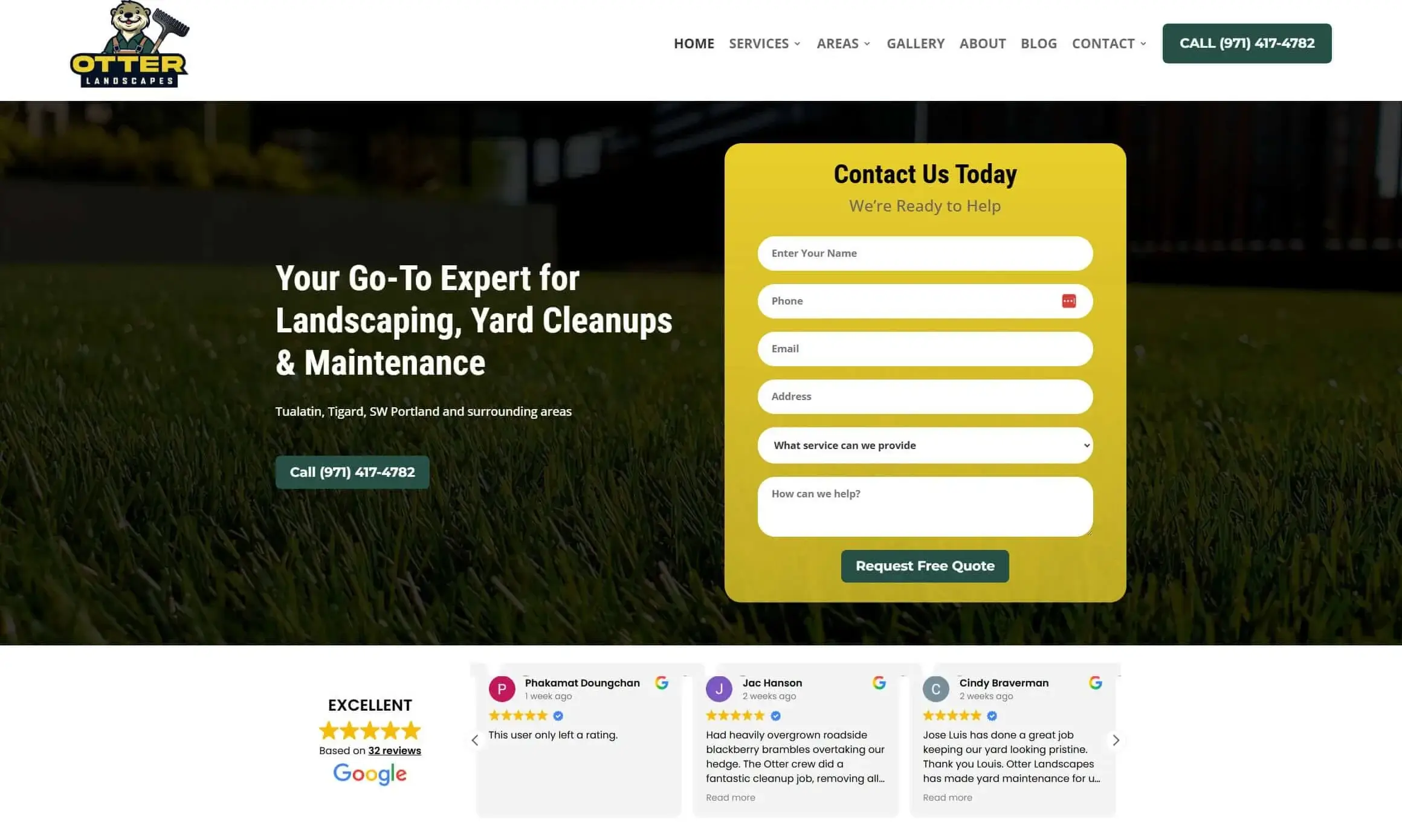
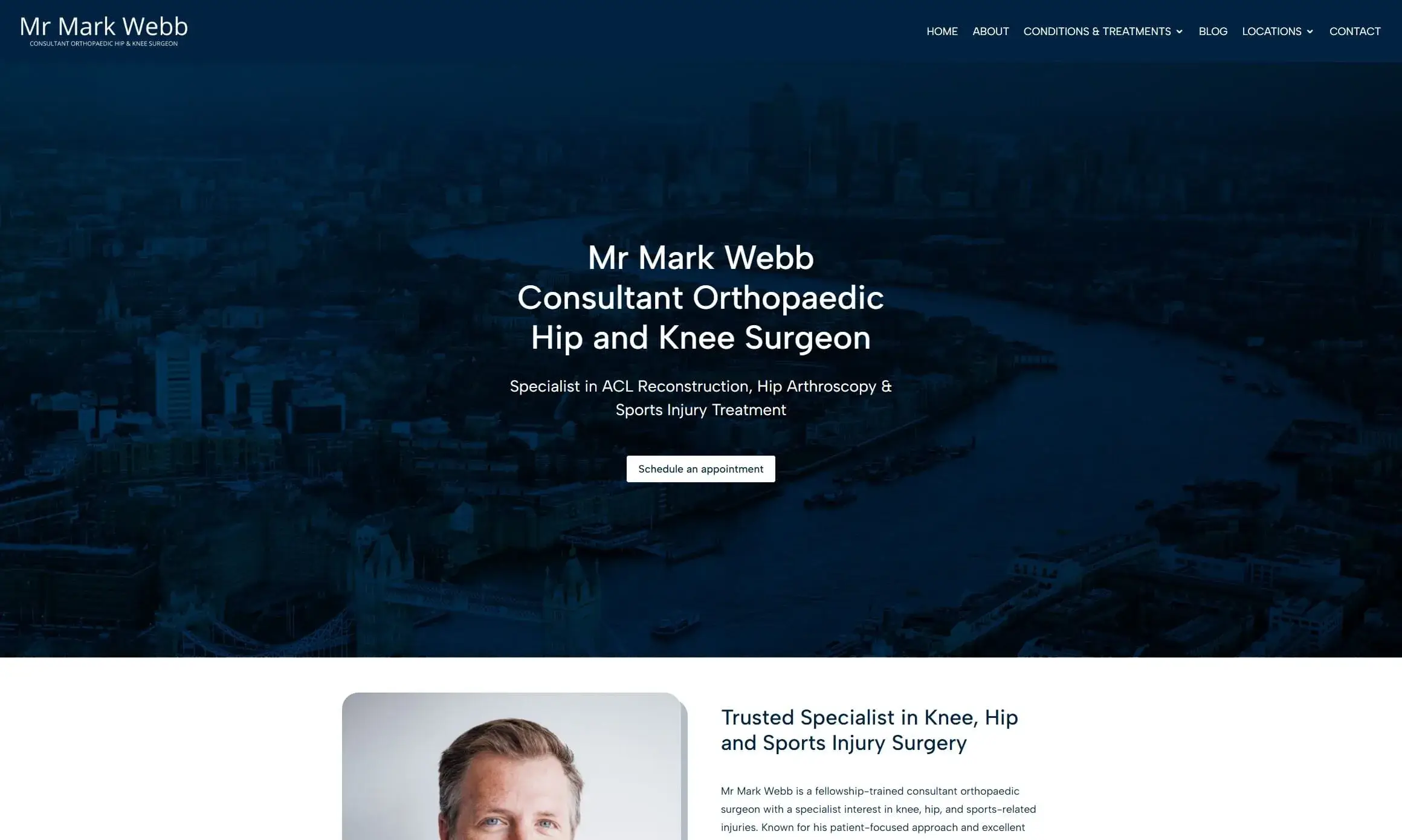
A home page has a few seconds to tell a visitor they’re in the right place. The ones that turn visits into inquiries usually have:
- A clear headline that says what you do and where. “Family dentist in Leeds” beats “Smiles that last a lifetime”.
- One main call to action, repeated at sensible points down the page, plus a phone number that taps to call on mobile.
- Proof near the top. Reviews, ratings, years in business, logos of associations or brands you work with.
- Your services, each linking to its own page. Visitors want to check you do the specific thing they need.
- Real photos. Your team, your premises, your work. Stock photos make every business look the same.
- An easy way to get in touch. A short form with only the fields you actually need, and clear expectations about when you’ll reply.
None of this needs a flashy design. It needs a clear structure and honest content, presented cleanly.
Redesigns that kill rankings, and how to avoid it
A redesign is one of the riskiest things you can do to a site that already ranks. The most common ways it goes wrong:
- URLs change without redirects. Every page that had links or rankings starts again from zero.
- Content gets cut. A long, detailed service page that ranked well gets replaced by three lines and a picture, and its rankings go with it.
- Pages get merged or removed without checking which ones bring in traffic.
- The staging site’s “noindex” setting goes live, and the whole site drops out of Google within days.
The fix is a careful process: crawl the old site, record what ranks, map every old URL to a new one, keep the content that works, and test before launch. That process is part of technical SEO, and it’s included in every redesign I do.
Choosing between WordPress and a static site
For most small and mid-sized businesses, the choice comes down to WordPress or a fast static site built with something like Astro.
WordPress makes sense when:
- Several people need to edit pages and publish posts often.
- You want plugins for things like bookings, memberships or a shop.
- Your team already knows the WordPress editor.
A static site makes sense when:
- Speed and security are priorities.
- Content changes weekly or monthly, not hourly.
- You want low hosting costs and very little maintenance.
Both can rank well and both can be easy to edit. The difference is mostly in maintenance, speed and how much flexibility you need. If you’re leaning toward WordPress, my WordPress development work covers custom themes and builds that stay fast. If speed matters most, custom web development in Astro is the faster route, and it’s what this site runs on.
What happens after launch
Launch day is the start of the site’s working life, not the end of the project. In the first few weeks I watch Search Console for crawl errors and indexing problems, check that the redirects from your old site are doing their job, and confirm that forms, calls and analytics are all recording properly. Small issues found early are cheap to fix. The same issues found six months later usually aren’t.
After that, a website needs three things to keep performing:
- Fresh, accurate content. Update services, prices, team members and photos as your business changes. Out-of-date pages quietly cost you trust.
- Regular maintenance. Updates, backups and security checks, which an optional care plan covers.
- Ongoing search work. A new site gives you a strong starting position, and steady SEO turns that position into rankings that grow month after month.
If your site looks dated or isn’t bringing in inquiries, tell me about your business below. I’ll send a fixed quote for a site that’s designed to rank and convert.